Practical guidance, seasonal insights, and trusted resources to help municipalities protect workers throughout the summer.
Sun Safety for Outdoor Workers
Protecting Outdoor Workers from the Risks of Sun Exposure
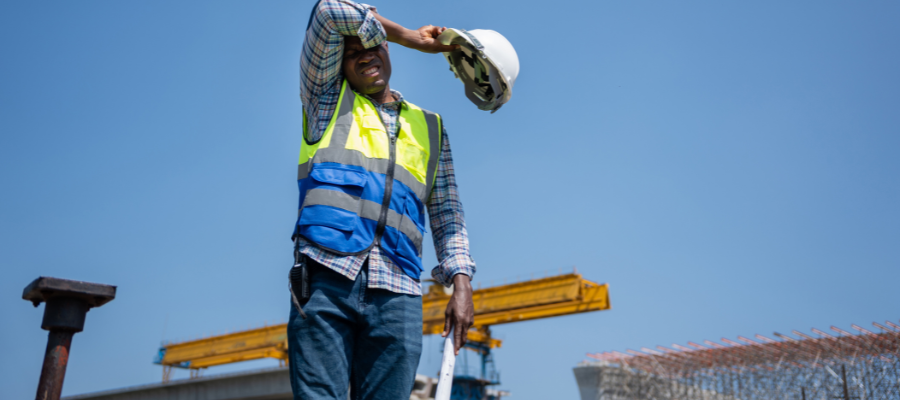
Working outdoors means more than managing high temperatures. Every day, municipal workers are exposed to ultraviolet (UV) radiation, even when the weather feels cool or cloudy. Over time, repeated exposure can increase the risk of sunburn, eye damage, premature skin aging, and skin cancer.
Whether you’re maintaining roads, caring for parks, collecting waste, inspecting infrastructure, or working on construction projects, protecting yourself from the sun should be part of your daily routine.
Simple steps like wearing protective clothing, applying sunscreen, seeking shade, monitoring the UV Index, and staying hydrated can significantly reduce your exposure and help keep you safe throughout the workday.
Why Sun Safety Matters
Exposure to the sun is cumulative. Every day spent working outdoors contributes to your lifetime UV exposure, and the effects often develop gradually rather than immediately.
For outdoor workers, this means that even short periods of unprotected exposure throughout the workweek can add up over months and years.
Unlike many workplace hazards, UV radiation cannot be seen or felt until damage has already occurred. That’s why prevention is one of the most effective ways to reduce long-term health risks.
4S Insight
UV Exposure Isn’t Just a Hot Weather Hazard
Sun protection is a year-round consideration, not just something to think about during the heat of the summer months. UV radiation is independent of air temperature, which means exposure can still be a concern on cool or breezy days. Sun safety should be guided by the UV Index rather than temperature alone. When working outdoors, appropriate protection should include measures for both skin and eyes, including sunglasses or safety eyewear with UVA and UVB protection.
Understanding UV Radiation
Ultraviolet (UV) radiation is a form of invisible energy produced by the sun. Unlike temperature, UV radiation cannot be seen or felt, which means your skin and eyes can be exposed even when the weather feels cool or comfortable.
There are two main types of UV radiation that reach the earth’s surface:
UVA Rays
UVA rays penetrate deeper into the skin and contribute to premature skin aging and long-term skin damage. They are present throughout the day and throughout the year.
UVB Rays
UVB rays primarily affect the outer layer of the skin and are the leading cause of sunburn. Like UVA rays, they can damage skin cells and increase the risk of skin cancer.
Although UVA and UVB affect the body differently, both can damage the skin and eyes over time. That’s why daily sun protection is important whenever you’re working outdoors.
UV Exposure Can Happen Behind Glass
Workers who spend significant time driving municipal vehicles or operating equipment may still experience UV exposure through windows. UVA radiation can pass through glass, meaning employees may receive sun exposure even when they are not working directly outdoors.
For employees who spend long periods driving or operating equipment, sun protection should still be considered as part of their workday.
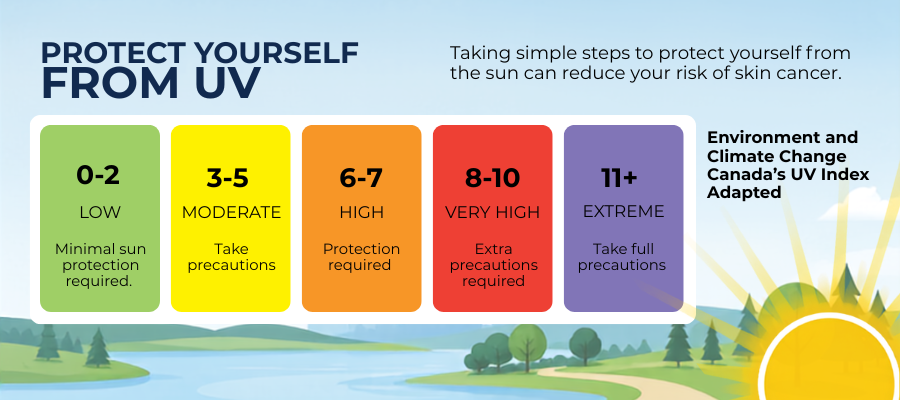
Government of Canada – The UV Index
UV Exposure Isn’t Limited to Sunny Days
Many people associate UV exposure with hot, sunny afternoons, but ultraviolet radiation can still be significant when temperatures are cool or when clouds are present.
UV rays can also reflect off surfaces commonly found in municipal workplaces, increasing exposure from multiple directions.
These surfaces include:
- Concrete sidewalks
- Asphalt roads
- Water
- Sand
- Snow
- Light-coloured buildings and equipment
Even if you’re not standing in direct sunlight, reflected UV radiation can contribute to your overall exposure throughout the workday.
Checking the daily UV Index before starting outdoor work is one of the simplest ways to understand your level of risk and determine the precautions you should take.
Peak UV Hours: When Is the Risk Highest?
According to the Government of Canada, the sun’s ultraviolet (UV) rays are generally strongest between 11:00 a.m. and 3:00 p.m. During these hours, outdoor workers may be at greater risk of UV exposure, even when temperatures are comfortable or the sky is partly cloudy.
When operationally feasible, consider scheduling physically demanding outdoor tasks earlier in the morning or later in the afternoon. If work must be completed during peak UV hours, take additional precautions by wearing protective clothing, applying sunscreen, seeking shade during breaks, and staying hydrated.
4S Insight
Many organizations plan work around heat, rain, or storms, but UV exposure is often overlooked. Reviewing the daily UV Index and considering peak UV hours as part of your daily planning can help reduce cumulative exposure and support safer outdoor work.
Health Effects of UV Exposure
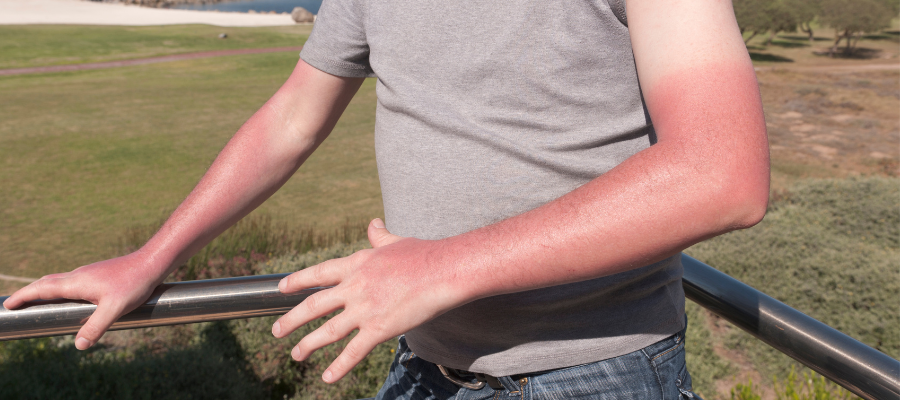
Repeated exposure to UV radiation can affect both your skin and your eyes.
Short-Term Effects
- Sunburn
- Red or irritated skin
- Eye irritation
- Fatigue from prolonged exposure
- Increased discomfort during hot weather
Long-Term Effects
- Skin cancer
- Premature skin aging
- Cataracts
- Eye damage
- Reduced vision over time
Many of these conditions develop gradually, making prevention one of the most effective forms of protection.
Who May Have Greater Exposure?
UV exposure depends more on the amount of time spent outdoors than an employee’s department or job title. Workers who regularly perform tasks outdoors may experience greater cumulative exposure.
Examples could include:
- Roads and public works crews
- Parks, grounds and trail maintenance
- Forestry and vegetation management
- Waste collection
- Water and wastewater
- Facilities maintenance
- By-law enforcement
- Construction and infrastructure crews
- Outdoor inspections and enforcement
- Outdoor recreation and event operations
4S Insight
PPE Doesn’t Always Provide Sun Protection
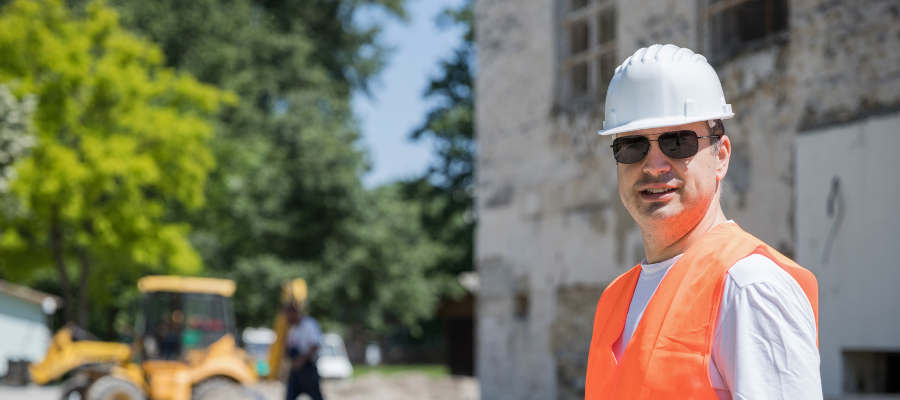
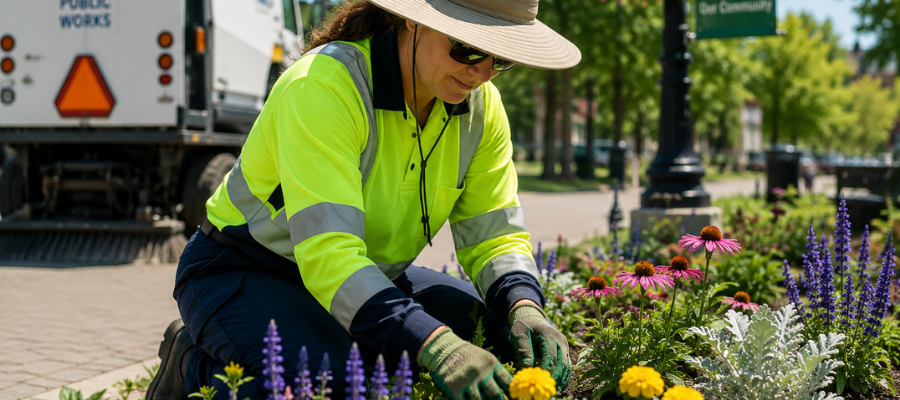
Many workers assume that because they are wearing PPE, they are fully protected from the sun. While hard hats, safety glasses, and high-visibility clothing are essential, they often leave areas like the neck, ears, face, and hands exposed. Simple additions such as hard hat neck shades, UV-rated sunglasses, lightweight long sleeves, and sunscreen can significantly improve protection without affecting mobility or compliance.
Protect Yourself from UV Exposure
Small habits throughout the day can make a big difference in reducing your exposure to UV radiation. Whether you’re working on roads, maintaining parks, collecting waste, or inspecting infrastructure, consider these practical ways to protect yourself while working outdoors.
Check the UV Index Before Your Shift
The UV Index shows the strength of the sun’s ultraviolet radiation. Check the forecast before outdoor work and plan protection based on UV levels, not temperature alone.
Apply Sunscreen Before Going Outdoors
Use broad-spectrum SPF 30 or higher on exposed skin, including the face, ears, neck, hands, arms, and legs. Reapply according to product directions, especially after sweating.
Wear Protective Clothing
When practical, choose lightweight, breathable long sleeves and pants that provide coverage from direct sunlight.
Protect Your Head, Neck, and Face
Hard hats may leave the face, ears, and neck exposed. Where appropriate, consider a hard hat brim or neck shade, or a wide-brimmed hat when the task allows.
Wear UV-Protective Eyewear
Where safety eyewear is required, choose appropriate safety glasses that provide UVA and UVB protection. Tinted options may also help reduce glare when suitable for the task.
Take Advantage of Shade
Use shaded areas, shelters, or vehicles for breaks whenever possible to reduce cumulative UV exposure throughout the day.
Stay Hydrated
Drink water regularly during outdoor work, particularly when sun exposure is combined with high temperatures.
Reapply Protection Throughout the Day
Sun protection should continue throughout the shift. Reapply sunscreen as directed and make use of protective clothing and shade as conditions change.
Look Out for One Another
Encourage coworkers to use sun protection, stay hydrated, take appropriate breaks, and report concerns related to sun or heat exposure.
Planning Outdoor Work
Employers and supervisors can help reduce UV exposure by incorporating sun safety into daily operations.
This may include:
- Reviewing the UV Index during morning safety meetings.
- Scheduling physically demanding outdoor work earlier in the day where practical.
- Providing shaded rest areas.
- Encouraging hydration breaks.
- Making sunscreen available to workers.
- Including UV protection in seasonal safety talks.
Small adjustments can reduce cumulative exposure while supporting worker health throughout the summer.
4S Insight
Sun Safety Is Part of Due Diligence
Workplace hazards change with the seasons, and UV exposure is one that is often overlooked. Including sun safety in seasonal hazard assessments, toolbox talks, PPE reviews, and workplace inspections demonstrates a proactive approach to protecting workers. Rather than treating sunscreen and sun protection as personal choices, organizations can strengthen their health and safety culture by making UV awareness part of everyday operations.
Sun Safety Myths and Facts
Fact: UV radiation can be strong even on cool, windy, or cloudy days. While clouds can reduce some UV rays, up to 80% can still reach your skin, increasing your risk of sunburn and long-term skin damage.
Fact: UV exposure can damage your skin even before you notice redness or discomfort. Repeated exposure over time increases the risk of skin cancer and premature skin aging.
Fact: A hard hat protects your head from impact but often leaves your face, ears, and neck exposed to UV radiation. Additional protection, such as a neck shade, sunscreen, and UV-protective sunglasses, may be needed.
Fact: Sunscreen wears off throughout the day due to sweating, wiping your face, and normal activity. Reapply sunscreen according to the manufacturer’s directions, especially after sweating or towel drying.
Fact: Employers have a responsibility to assess workplace hazards and implement reasonable measures to protect workers. For outdoor work, this includes considering UV exposure alongside other seasonal hazards such as heat stress and dehydration.
What’s Next?
This Summer Safety Resource Centre will continue to grow with new seasonal guidance for municipalities.
Upcoming Topics
- Air Quality
- Tick Awareness & Outdoor Hazards
How Does Your Municipality Compare?
Every municipality faces unique health and safety challenges, but understanding where your program stands is the first step toward continuous improvement.
Our Municipal Safety Questionnaire is designed to help organizations evaluate key areas of their workplace health and safety program, identify opportunities for improvement, and start meaningful conversations about strengthening safety performance.
By completing the questionnaire, you’ll gain insight into areas such as:
- Health and safety program maturity
- Training and competency management
- Documentation and recordkeeping
- Hazard identification and corrective actions
- Workplace inspections and compliance
- Opportunities for continuous improvement
Whether you’re looking to validate your current processes or identify potential gaps, the questionnaire provides a practical starting point.
Supporting Safer Municipal Workplaces
At 4S Consulting, we partner with municipalities to strengthen health and safety programs through consulting, training, and technology solutions. Our team helps organizations improve compliance, reduce risk, support due diligence, and build more consistent safety practices across departments and locations.
Whether your focus is seasonal hazard planning, employee training, program development, documentation, or overall safety performance, we are here to help you move forward with confidence.
Strengthen Your Health & Safety Program with the WSIB Health & Safety Excellence Program
The WSIB Health & Safety Excellence Program (HSEp) is designed to help Ontario employers improve their occupational health and safety management systems through practical topics, continuous improvement, and measurable outcomes. Participating organizations may also be eligible for WSIB rebates for successfully completing approved health and safety topics.
As an approved HSEp service provider, 4S Consulting works alongside municipalities to help:
- Develop and strengthen health and safety management systems
- Meet HSEp program requirements with confidence
- Implement practical health and safety initiatives
- Improve due diligence and workplace safety performance
- Support continuous improvement across departments
Whether you’re just beginning your HSEp journey or advancing your existing program, our team can help guide you every step of the way.