
Practical guidance, seasonal insights, and trusted resources to help municipalities protect workers throughout the summer.
Heat Stress Prevention for Municipal Workers
Protecting Outdoor Workers During Ontario’s Increasing Heat Waves
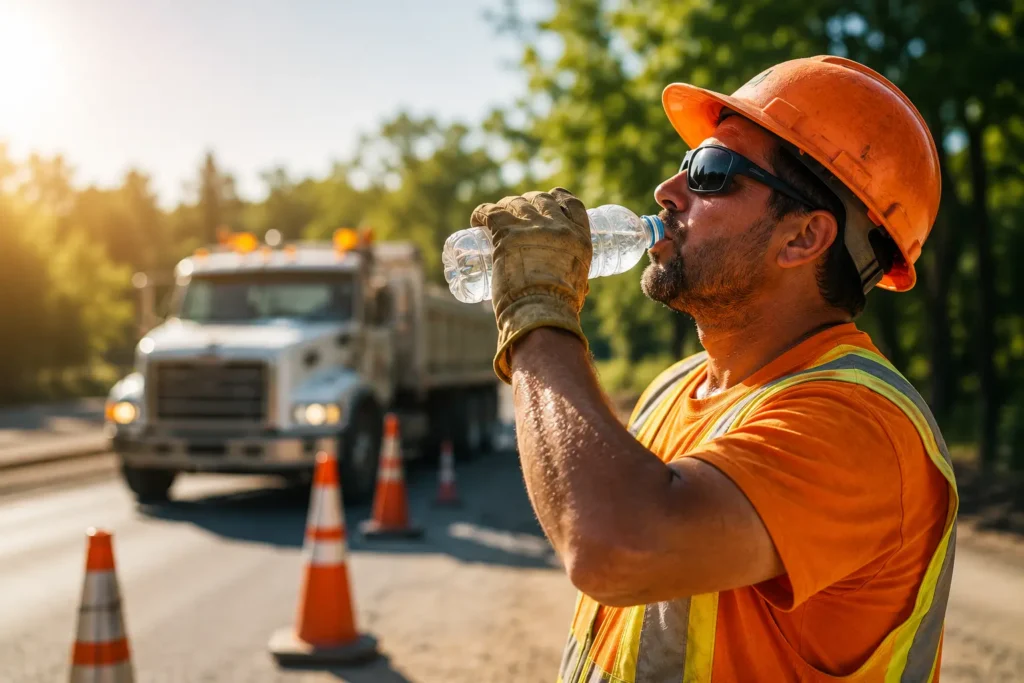
As recurring heat waves become more common across Ontario, municipalities are increasingly challenged to protect employees who work outdoors. From road maintenance and parks operations to public works, utilities, and waste collection, prolonged exposure to heat can quickly become a serious workplace hazard.
According to Health Canada, extreme heat events are becoming more frequent and more intense across Canada, increasing the need for employers to proactively manage heat-related risks in the workplace.
This page brings together practical guidance, planning considerations, and downloadable resources informed by trusted Canadian occupational health and safety organizations to help municipalities better protect outdoor workers throughout the summer.
Why Heat Stress Matters
Heat stress occurs when the body gains more heat than it can release. While high temperatures contribute to heat stress, humidity, direct sunlight, physical exertion, limited airflow, and personal protective equipment (PPE) can all make it more difficult for the body to cool itself.
Without proper controls, heat stress can reduce concentration, impair decision-making, increase fatigue, and lead to serious heat-related illnesses such as heat exhaustion and heat stroke. The Canadian Centre for Occupational Health and Safety (CCOHS) identifies heat stress as a significant occupational hazard, particularly for employees performing physically demanding work outdoors.

Did You Know?
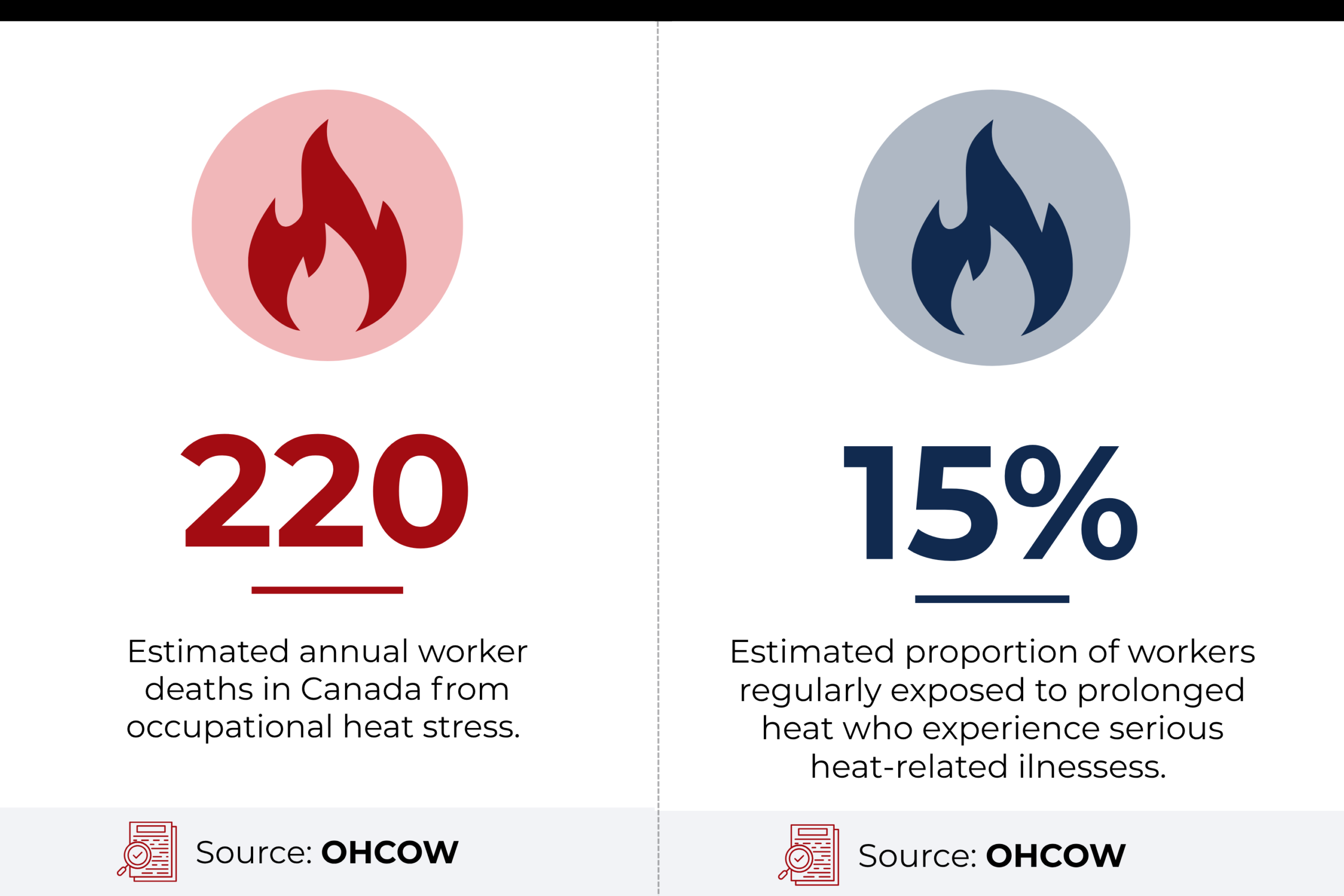
Occupational Health Clinics for Ontario Workers (OHCOW) estimates that approximately 220 workers in Canada die annually from occupational heat stress, while an estimated 15% of workers regularly exposed to prolonged heat experience serious heat-related illnesses. These findings reinforce the importance of implementing preventative measures before extreme heat events occur.
4S Insight
Heat stress planning shouldn’t begin when temperatures reach their peak. Municipalities that review weather forecasts, discuss heat-related hazards during pre-shift meetings, and prepare crews before they leave the yard are better positioned to reduce risk throughout the workday.
Who Is Most at Risk?
Although heat stress can affect anyone, certain municipal roles face greater exposure due to prolonged outdoor work, physical demands, and environmental conditions.
Common higher-risk operations include:
- Road Maintenance
- Parks & Recreation
- Public Works
- Waste Collection
- Water & Wastewater
- Forestry
- Facilities Maintenance
- Emergency Services
- Marina Workers
- Young & Seasonal Workers
Workers who are new to the job, returning after time away, or not yet acclimatized to hot conditions may also be at greater risk. OHCOW highlights acclimatization as an important component of any heat stress prevention program
Recognizing Heat-Related Illness
Recognizing symptoms early can help prevent serious medical emergencies.
| Heat Exhaustion | Heat Stroke |
| Heavy sweating | Confusion |
| Weakness | Loss of consciousness |
| Dizziness | Seizures |
| Headache | Hot skin and high body temperature |
| Nausea | Medical emergency |
Heat stroke requires immediate medical attention. Call 911 and begin cooling the worker while waiting for emergency responders.
CCOHS provides detailed guidance on recognizing heat-related illnesses and appropriate first aid measures.
4S Insight
Heat stress planning should begin well before temperatures reach their peak. Municipalities that review weather forecasts, discuss heat-related hazards during pre-shift meetings, and prepare crews before they leave the yard or facilities so they are better positioned to reduce risk throughout the workday.
Practical Tips for Working Safely in Hot Weather
Preventing heat stress starts before work begins. Small, consistent actions throughout the day can significantly reduce the risk of heat-related illness.
Stay Hydrated
Drink water regularly throughout the day, even if you don’t feel thirsty. Encourage workers to hydrate before, during, and after their shift.
Plan Work Around the Weather
Review weather forecasts and heat warnings before each shift. Where practical, schedule physically demanding work during cooler parts of the day.
Take Regular Rest Breaks
Provide shaded or air-conditioned recovery areas whenever possible and increase rest breaks during periods of extreme heat.
Recognize the Warning Signs
Ensure workers and supervisors understand the symptoms of heat exhaustion and heat stroke and know how to respond if symptoms develop.
Allow Time for Acclimatization
Workers who are new to outdoor work or returning after time away should gradually increase their workload and exposure to hot conditions over several days.
Encourage a Buddy System
Workers should regularly check on one another throughout the day. A coworker may recognize early signs of heat stress before the affected individual does.
Wear Appropriate Clothing
Where appropriate, wear lightweight, breathable clothing while continuing to meet all workplace PPE and visibility requirements.
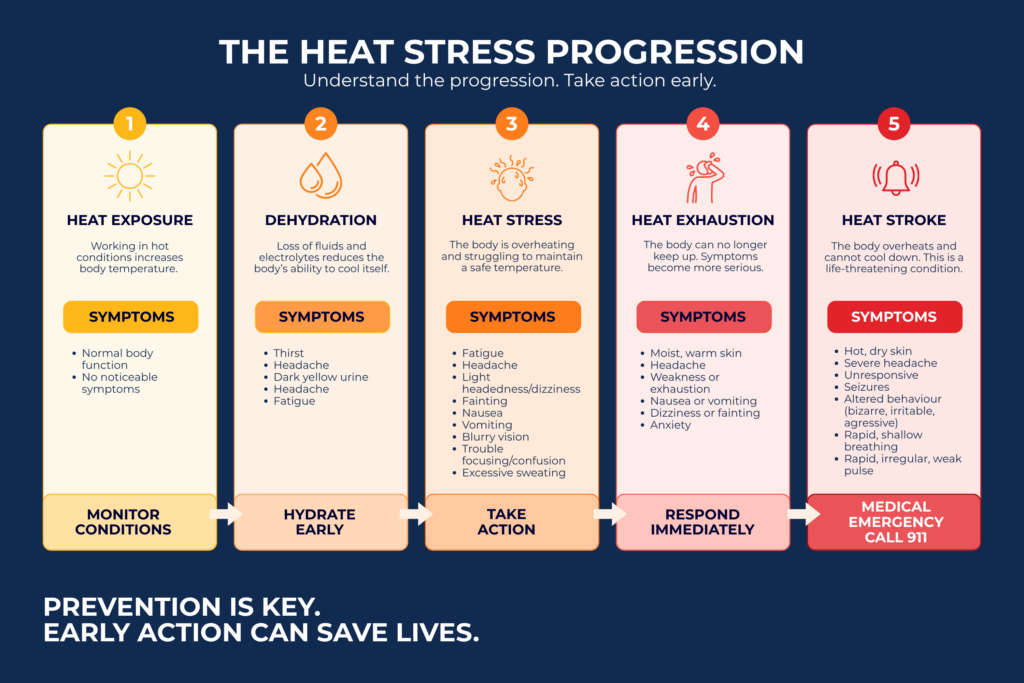
Note: Every individual presents symptoms differently and those who have experienced a heat related episode are more susceptible to occurrence(s). Symptoms may vary from person to person, always contact a medical professional if you are unsure.
Developing an Effective Heat Stress Plan
An effective heat stress program begins before employees arrive on site.
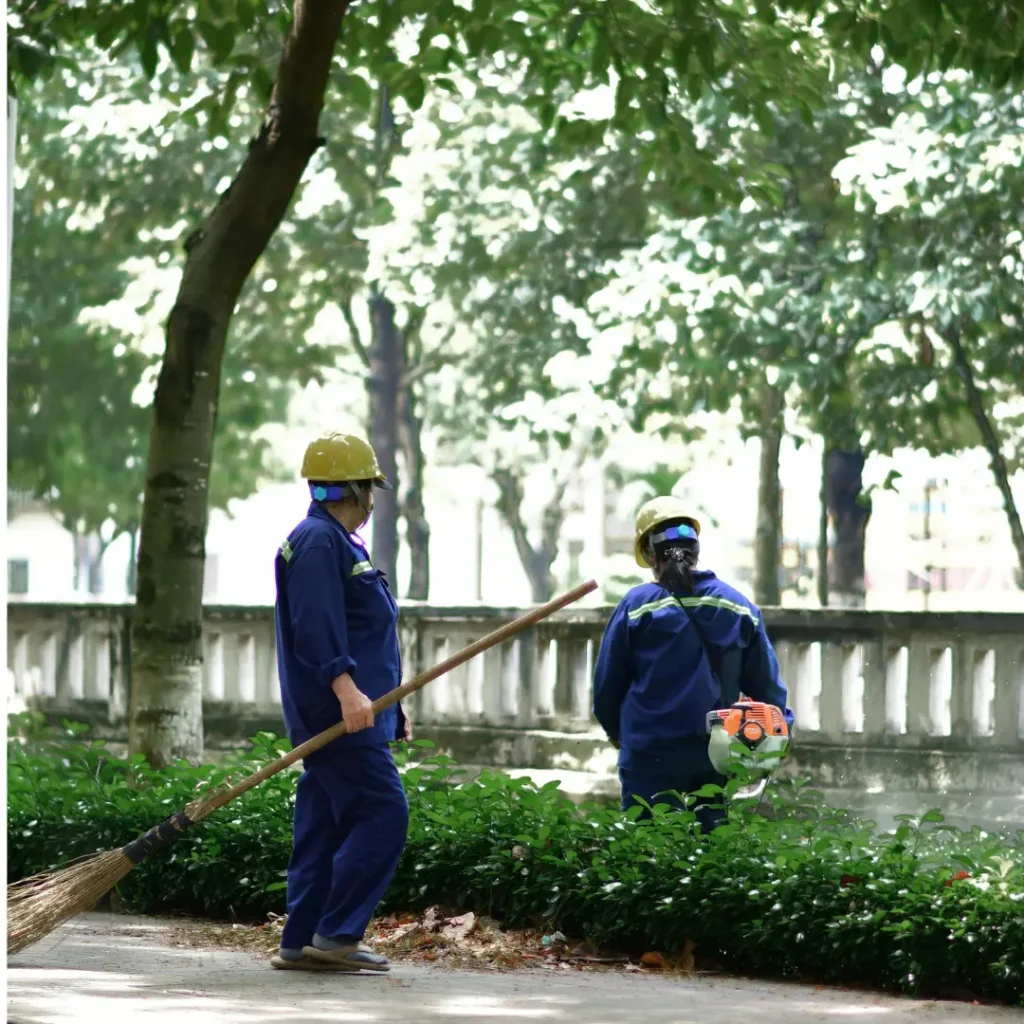
The Ontario Ministry of Labour recommends that employers develop a heat stress control plan or hot weather plan, particularly between May 1 and September 30, and consider implementing additional controls during heat warnings or when humidex levels become elevated.
Best Practices
- Monitor weather forecasts and heat warnings before each shift
- Ensure workers have access to cool drinking water throughout the day
- Schedule physically demanding work during cooler parts of the day where practical
- Increase rest breaks and provide shaded or cooled recovery areas
- Train supervisors and workers to recognize the symptoms of heat exhaustion and heat stroke
- Review first aid procedures and emergency response protocols before periods of extreme heat
- Ensure emergency contact information and first aid supplies are readily available
- Encourage workers to report symptoms immediately, both for themselves and their coworkers
4S Insight
Heat stress prevention is most effective when it’s built into daily operations—not treated as a response to a heat warning. Consistent inspections, documented procedures, employee training, and clear communication all contribute to a stronger and more proactive safety culture.
Coming Soon
This Summer Safety Resource Centre will continue to grow with new seasonal guidance for municipalities.
Upcoming Topics
- Hydration for Outdoor Workers
- Sun Safety & UV Protection
- Summer PPE & Clothing
- Tick Awareness & Outdoor Hazards
Strengthen Your Health & Safety Program with the WSIB Health & Safety Excellence Program
The WSIB Health & Safety Excellence Program (HSEp) is designed to help Ontario employers improve their occupational health and safety management systems through practical topics, continuous improvement, and measurable outcomes. Participating organizations may also be eligible for WSIB rebates for successfully completing approved health and safety topics.
As an approved HSEp service provider, 4S Consulting works alongside municipalities to help:
- Develop and strengthen health and safety management systems
- Meet HSEp program requirements with confidence
- Implement practical health and safety initiatives
- Improve due diligence and workplace safety performance
- Support continuous improvement across departments
Whether you’re just beginning your HSEp journey or advancing your existing program, our team can help guide you every step of the way.
How Does Your Municipality Compare?
Every municipality faces unique health and safety challenges, but understanding where your program stands is the first step toward continuous improvement.
Our Municipal Safety Questionnaire is designed to help organizations evaluate key areas of their workplace health and safety program, identify opportunities for improvement, and start meaningful conversations about strengthening safety performance.

By completing the questionnaire, you’ll gain insight into areas such as:
- Health and safety program maturity
- Training and competency management
- Documentation and recordkeeping
- Hazard identification and corrective actions
- Workplace inspections and compliance
- Opportunities for continuous improvement
Whether you’re looking to validate your current processes or identify potential gaps, the questionnaire provides a practical starting point.
Need Support?
At 4S Consulting, we partner with municipalities to strengthen health and safety programs through consulting, training, and technology solutions that help organizations improve compliance, reduce risk, and support safer workplaces.
Whether you’re reviewing your heat stress procedures or looking to strengthen your overall safety program, we’re here to help.